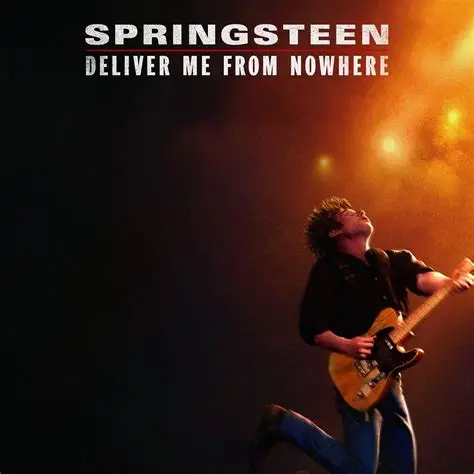
Springsteen: Deliver Me from Nowhere
Springsteen: Deliver Me from Nowhere (2025) is one of the most anticipated American biographical musical dramas of the year, blending music biography, drama, and emotional introspection. Directed by Scott Cooper, and starring Jeremy Allen White, Jeremy Strong, Paul Walter Hauser, Stephen Graham, Odessa Young, Gaby Hoffmann, Marc Maron, and David Krumholtz, this English-language film is scheduled for release on October 24, 2025.
Movie Overview
This intimate biopic chronicles Bruce Springsteen’s decision to withdraw from arena rock fame after The River tour and retreat into personal introspection. Instead of another chart-topping record, he records the minimalist, acoustic album *Nebraska* using a four-track recorder in his New Jersey bedroom. The film explores his struggle with familial trauma, creative authenticity, and depression during this pivotal period, capturing his choice to prioritize truth over commercial success. Jeremy Allen White portrays Springsteen with emotional nuance, supported by a stellar ensemble portraying key figures from his life and music world. The result is a cinematic portrait of an artist at a crossroads.
Attribute Details
- Title: Springsteen: Deliver Me from Nowhere
- Genre: Biography, Drama, Music
- Language: English
- Release Date: October 24, 2025 (USA wide release; premiere August 29 at Telluride)
- Director: Scott Cooper
- Writer: Scott Cooper (adapted from Warren Zanes’ 2023 biography Deliver Me from Nowhere)
Cast & Crew Highlights
Jeremy Allen White delivers a compelling turn as the Boss, bringing emotional depth to Springsteen’s internal conflict. Jeremy Strong portrays manager Jon Landau, shaping Springsteen’s career and artistic vision. Paul Walter Hauser appears as Mike Batlan, guitar tech and recording aide, while Stephen Graham plays Springsteen’s father, Doug. Odessa Young portrays Faye, a love interest; Gaby Hoffmann plays Adele Springsteen, Bruce’s mother; Marc Maron is producer Chuck Plotkin; and David Krumholtz embodies Columbia Records executive Al Teller. Cinematography by Masanobu Takayanagi, score by Jeremiah Fraites, and editing by Pamela Martin unify the film’s contemplative tone.
Production & Filming
Based on Warren Zanes’ book, the film was written and directed by Scott Cooper, with producers Scott Cooper, Ellen Goldsmith-Vein, Eric Robinson, and Scott Stuber. Principal photography took place from October 2024 through January 2025 across New York and New Jersey, including key scenes in Asbury Park and Bruce’s childhood home in Colts Neck. Springsteen and manager Jon Landau consulted closely on the film and visited the set during production. The minimalist aesthetic mirrors the album’s raw authenticity, using stripped-down locations and handheld cameras.
Release & Festival Premiere
The world premiere took place at the Telluride Film Festival on August 29, 2025, followed by screenings at the New York Film Festival and opening night at SXSW Sydney in mid-October. The official theatrical rollout begins on October 24, 2025, with international releases in markets like Italy and Australia shortly thereafter. Distributors include 20th Century Studios and the project was financed in part by Gotham Group and Bluegrass 7.
Themes & Tone
The film centers on themes of artistic integrity, vulnerability, trauma, and blue-collar Americana. Its mood echoes *Nebraska*’s sparse, somber tone, emphasizing silence, memory, and personal reckoning. It contrasts the exuberance of Springsteen’s earlier fame with the introspection of his creative journey. Audiences will find a quiet, elegiac film about the cost and beauty of authenticity.
Critical Reception
Critics have praised the film’s restraint and emotional authenticity. *Rotten Tomatoes* reports a 93% fresh rating, citing Jeremy Allen White’s raw performance and Cooper’s empathetic direction. Reviews from *THR*, *Variety*, and *Pitchfork* highlight the film’s ability to evoke Springsteen’s Nebraska era with fidelity and gravitas. Early buzz suggests Academy Award potential, especially for lead performance and cinematography.
Why It Stands Out
Unlike typical music biopics that celebrate spectacle or chart success, *Springsteen: Deliver Me from Nowhere* chooses a quieter path. It rewards viewers with emotional honesty over grandiosity. The film’s minimalism reflects Springsteen’s own creative philosophy during that era—turning inward, embracing solitude, and making art without compromise. It resonates as a portrait of artistic courage.
Related Content
- IMDb listing for Springsteen: Deliver Me from Nowhere
- Wikipedia entry with detailed production info
- Rotten Tomatoes – currently 93% Tomatometer
- Pitchfork article on first trailer and director quotes
Final Thoughts
*Springsteen: Deliver Me from Nowhere* offers a deeply personal cinematic experience that prioritizes emotional truth over spectacle. Director Scott Cooper and lead actor Jeremy Allen White work in harmony to capture a pivotal moment in the life of an iconic musician. With its premiere season buzz, compelling creative choices, and emotional resonance, the film is poised to make a lasting impact in both music and cinema circles.
Featured News & Resources
::contentReference[oaicite:0]{index=0}
Jeremy Allen White’s Preparation for the Role
To embody Bruce Springsteen during the creation of Nebraska, Jeremy Allen White immersed himself in the Boss’s archives, listening to countless live recordings and reading early interviews. He also spent time learning Springsteen’s distinctive mannerisms, speech patterns, and physical presence. His preparation included guitar practice and vocal coaching, ensuring that both his performance and on-screen playing carried authenticity. Critics have already compared his dedication to past Oscar-winning biopic performances.
Balancing Fame and Isolation in the Storyline
One of the most striking aspects of the narrative is its focus on Springsteen’s withdrawal from global stardom to confront his inner struggles. The film explores how, after filling stadiums, he found himself creatively stifled by expectations. By choosing solitude and recording in his bedroom, he embraced vulnerability as strength. This contrast between fame and isolation is central to the emotional power of the film.
Music as a Character
In Springsteen: Deliver Me from Nowhere, the music itself functions as a character. The stripped-down arrangements of Nebraska mirror Bruce’s psyche, raw and unpolished. The filmmakers weave original Springsteen recordings and reimagined performances into the narrative, allowing the soundtrack to guide the audience’s emotions as much as the dialogue and performances do.
The Influence of Warren Zanes’ Book
The source material for the film, Warren Zanes’ 2023 biography, shaped both the script and tone. Zanes, a musician and writer, captured the cultural weight of Nebraska in his book. Scott Cooper’s screenplay draws heavily on Zanes’ insights, ensuring the adaptation honors historical truth while dramatizing the human core of Springsteen’s choices.
Cinematic Style and Visual Identity
Director Scott Cooper intentionally used muted color palettes and natural lighting to reflect the bleak yet intimate atmosphere of Nebraska. The cinematography avoids glossy spectacle, instead employing handheld cameras and long takes. This stripped-back visual approach mirrors the minimalist sound of the album and enhances the audience’s immersion in Bruce’s internal journey.
Exploring Depression and Mental Health
Beyond the music, the film bravely addresses Springsteen’s struggles with depression, anxiety, and generational trauma. It portrays his search for meaning during a time when mental health was less openly discussed in society. By humanizing an icon, the film resonates with modern viewers who connect with the themes of vulnerability and resilience.
Supporting Characters’ Importance
Though Bruce Springsteen is the focal point, the supporting cast plays an essential role in grounding the story. Characters like Jon Landau and Adele Springsteen remind viewers of the influence of family and mentorship. Their presence highlights the tension between Bruce’s internal world and the relationships that both supported and challenged him during this period.
Comparisons with Other Music Biopics
Unlike flashy music biopics such as Bohemian Rhapsody or Elvis, this film opts for intimacy over spectacle. The decision to focus on a quiet, pivotal chapter rather than chart-topping moments differentiates it from traditional narratives. This choice has been applauded by critics as a refreshing take on the genre.
Festival Buzz and Awards Potential
Following its Telluride premiere, the film generated significant awards buzz. Jeremy Allen White’s portrayal has been described as “career-defining,” with some critics suggesting it could lead to an Academy Award nomination. Its raw emotional appeal and artistic authenticity make it a strong contender in acting, directing, and cinematography categories.
Impact on Springsteen’s Legacy
For longtime fans, the film enhances appreciation for Springsteen’s artistic bravery during the early 1980s. For younger generations, it introduces the significance of Nebraska and demonstrates why the album remains a cultural milestone. The film ultimately strengthens Springsteen’s legacy as an artist who refused to compromise his truth, even at the height of fame.
The Cultural Context of 1982
Set during the early 1980s, the film situates Springsteen’s story against a backdrop of social upheaval, economic recession, and political transformation. America was shifting under the Reagan era, and the optimism of mainstream pop culture contrasted with the bleakness of everyday working-class struggles. By placing Bruce’s creative decision-making in this environment, the film shows how Nebraska was not only a personal statement but also a commentary on the times. The stripped-down songs echoed the despair of rural America and connected to larger cultural anxieties.
Authenticity Over Stardom
One of the film’s strongest messages is the idea that true artistry sometimes requires stepping away from mass success. Springsteen could have followed The River with another blockbuster, but instead he chose to release a deeply personal, unpolished work. This choice highlights the courage it takes for an artist to remain authentic in the face of industry pressure. The movie elevates this decision as a turning point in Springsteen’s legacy and portrays it as a universal lesson about the value of authenticity.
Transformative Use of Silence
Silence plays an unusual but powerful role in Springsteen: Deliver Me from Nowhere. Director Scott Cooper deliberately uses moments of stillness to reflect Bruce’s internal solitude. Extended shots without dialogue allow the audience to feel the weight of isolation and creative uncertainty. This technique mirrors the sparse soundscapes of Nebraska, where empty space between notes carried as much meaning as the lyrics themselves.

The Importance of Family Dynamics
The film dedicates significant attention to Bruce’s complicated relationship with his father, Doug Springsteen, portrayed by Stephen Graham. Their strained bond, filled with silence and unspoken resentment, shaped much of Bruce’s songwriting during this era. By including these scenes, the movie contextualizes the emotional pain behind tracks like “My Father’s House.” It shows that the journey to Nebraska was not only about art but also about grappling with inherited trauma.
Female Perspectives in the Film
Characters like Adele Springsteen (played by Gaby Hoffmann) and Faye (portrayed by Odessa Young) provide an important counterbalance to Bruce’s inner struggles. Their presence offers insight into how women in Bruce’s life supported and shaped his path. Rather than being sidelined, these roles highlight the nurturing and grounding forces that kept Bruce connected to humanity even in his darkest creative periods.
The Visual Language of Isolation
Cinematographer Masanobu Takayanagi crafts a visual identity that emphasizes loneliness and authenticity. Desaturated colors, dimly lit rooms, and long takes capture the emptiness of Bruce’s state of mind. Wide shots of empty highways and rural New Jersey landscapes add to the film’s tone of desolation. This careful attention to visual storytelling transforms the screen into a reflection of Springsteen’s psyche.
The Album as Narrative Spine
The film uses the tracklist of Nebraska as a structural framework. Each song serves as an anchor for a chapter of Bruce’s journey, with its mood and lyrics shaping the unfolding drama. For example, the haunting track “Atlantic City” corresponds with scenes of Bruce’s contemplation of morality, while “Highway Patrolman” resonates with themes of brotherhood and conflict. This creative choice makes the film as much a meditation on an album as it is on an individual.
The Role of Jon Landau
Jeremy Strong’s portrayal of Jon Landau highlights the pivotal role of a mentor and manager. Landau’s encouragement and understanding provided Bruce with the freedom to follow his instincts. In the film, their conversations explore the tension between commercial potential and personal expression. Landau is shown not only as a professional partner but also as a confidant who believed in Bruce’s vision even when others doubted it.
Audience Identification with Struggle
Part of what makes the story compelling is its universality. While audiences may not be rock stars, they can relate to the feeling of standing at a crossroads in life—choosing between external expectations and personal truth. This resonance ensures the film connects not just with Springsteen fans, but with anyone navigating questions of identity and purpose.
Critical Comparisons with Other Biopics
Many reviewers have noted that Springsteen: Deliver Me from Nowhere avoids the pitfalls of conventional music biopics, which often glorify fame and rely on spectacle. Instead, it aligns more closely with films like Inside Llewyn Davis and I’m Not There, which focus on artistic struggle rather than commercial triumph. This artistic approach makes the film stand out as a meditation on creativity itself.
Springsteen’s Personal Involvement
Although not starring in the film, Bruce Springsteen was directly involved as a consultant. Reports indicate that he visited the set, spoke with Jeremy Allen White about his mindset during the Nebraska period, and shared personal notes. His quiet endorsement gives the film legitimacy and ensures that it faithfully represents his journey.
Emotional Core of the Soundtrack
While much of the soundtrack incorporates original Nebraska recordings, composer Jeremiah Fraites contributes subtle score elements that expand on the mood without overshadowing the songs. Sparse piano chords, ambient tones, and minimalist guitar lines bridge scenes. The result is a soundscape that feels both cinematic and deeply true to the spirit of the album.
Contrasts with The River and Born in the U.S.A.
The film emphasizes how Nebraska stood in sharp contrast to Bruce’s previous and subsequent works. Whereas The River embraced rock grandeur and Born in the U.S.A. exploded into patriotic anthems, Nebraska retreated into haunting minimalism. This juxtaposition underscores the radical nature of Bruce’s choice and why it remains one of the most daring moves in modern music history.
Psychological Portrait of an Artist
Beyond the narrative of recording an album, the film operates as a psychological portrait. It delves into Bruce’s insecurities, depressive episodes, and feelings of inadequacy despite success. By doing so, it challenges the myth of the invulnerable rock star and presents a vulnerable human being searching for purpose.
The Role of Place in the Film
New Jersey is not merely a backdrop but a character in the story. Scenes of rural roads, small towns, and industrial landscapes reflect the themes of desolation that shaped Nebraska. Shooting on location grounds the film in authenticity and honors Springsteen’s deep ties to his home state.

Early Festival Reactions
Festival audiences at Telluride and the New York Film Festival responded with long standing ovations. Critics praised the understated direction, while fans highlighted how the film deepened their understanding of Bruce’s artistry. These responses suggest that the movie will not only attract awards attention but also endure as a fan favorite.
Performances Beyond the Lead
While Jeremy Allen White dominates the screen, supporting performances also drew acclaim. Jeremy Strong’s subtle restraint as Landau, Stephen Graham’s intimidating presence as Doug Springsteen, and Marc Maron’s sharp turn as Chuck Plotkin all provide essential texture. Each performance enhances the realism of the narrative and prevents it from becoming a one-man show.
Relevance to Today’s Audiences
Although set in the 1980s, the themes of burnout, self-reflection, and mental health make the story highly relevant in 2025. Modern audiences face similar pressures of societal expectations versus personal fulfillment. The film serves as a reminder that sometimes stepping back is the most powerful step forward.
Potential Awards Trajectory
Analysts have already positioned the film as a frontrunner for Best Actor, Best Director, and Best Adapted Screenplay at the Academy Awards. If its momentum continues through awards season, Springsteen: Deliver Me from Nowhere could become one of the defining films of 2025, cementing Jeremy Allen White’s rise to A-list status.
Legacy of Nebraska in Popular Culture
The film also reignites discussion of how Nebraska influenced generations of musicians, from alt-country artists to indie folk performers. By framing the album’s creation in cinematic form, the movie ensures that this quiet but powerful work continues to inspire both musicians and listeners for decades to come.
About the Author