Sentimental Value
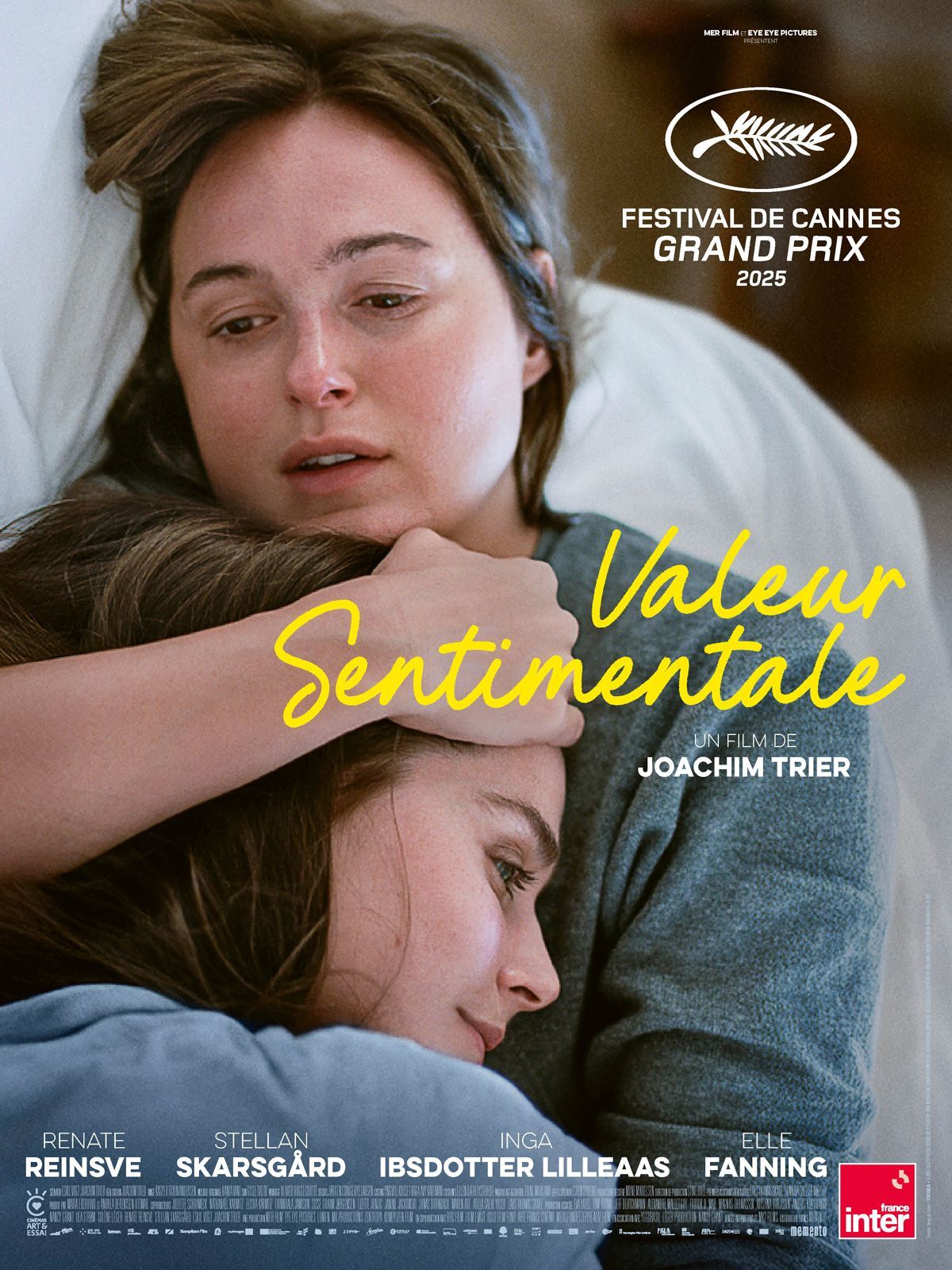
Sentimental Value (2025) is one of the most anticipated drama-comedy films of the year, blending family drama, meta-cinema, and emotional resonance. Directed by Joachim Trier, and starring Renate Reinsve, Stellan Skarsgård, Inga Ibsdotter Lilleaas and Elle Fanning, this Norwegian/English-language film is scheduled for release on November 7, 2025.
Movie Overview
An often-absent, once-famous film director returns to his childhood home after his wife’s death, attempting to reconcile with his estranged daughters through a deeply personal cinematic project. When his eldest, a stage actor, refuses the lead role, he casts an American star instead—setting off a chain of emotional reckonings that blend memory, legacy, and artistic confrontation.
Attribute Details
- Title: Sentimental Value
- Genre: Comedy-Drama / Family Drama
- Language: Norwegian and English
- Release Date: November 7, 2025 (limited theaters in the US; September for Norway)
- Director: Joachim Trier
- Writers: Joachim Trier, Eskil Vogt
Cast & Characters
- Renate Reinsve as Nora Borg, a successful stage actress grappling with grief and abandonment.
- Stellan Skarsgård as Gustav Borg, Nora’s estranged father and veteran film director making a comeback.
- Inga Ibsdotter Lilleaas as Agnes Borg, Nora’s younger sister, now settled with a family.
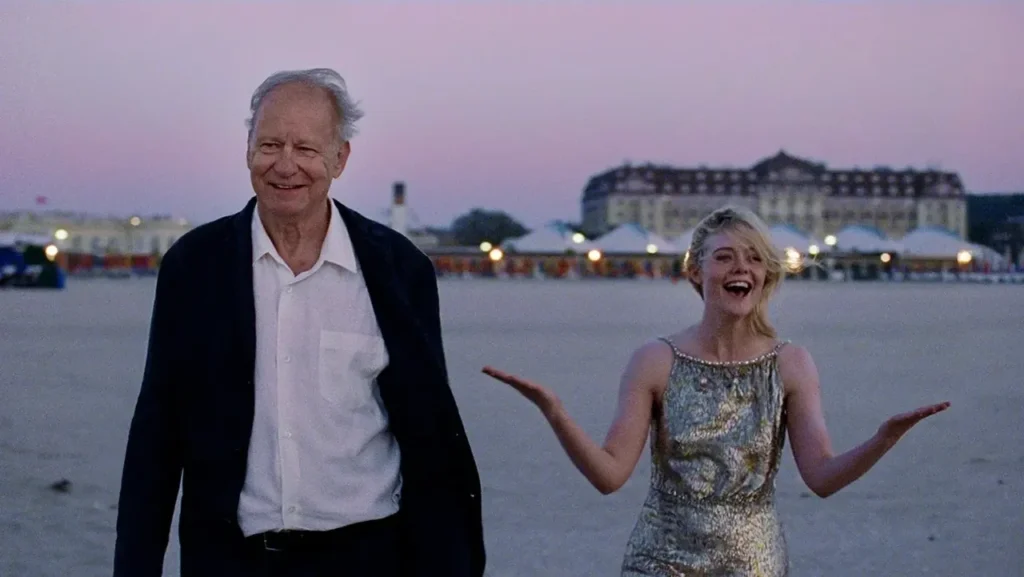
- Elle Fanning as Rachel Kemp, an American actress cast in Gustav’s film-in-the-film.
- Cory Michael Smith as Sam; plus supporting roles including Anders Danielsen Lie as Jakob.
Plot & Themes
Following their mother’s death, sisters Nora and Agnes confront Gustav, a filmmaker who abandoned them for his career. Gustav intends to make an autobiographical movie set in their childhood home, basing a lead female role on Nora. When she refuses, he hires Rachel, creating unease and competition. As filming begins in the family estate—haunted by past trauma—the sisters’ collective memory, inherited pain, and the act of storytelling itself become the path toward emotional resolution.
The film unfolds slowly and quietly: memory interlaces with filmmaking, nostalgia blends with confrontation, and art becomes both balm and barrier. Themes of inherited trauma, fatherhood, artistic legacy, and the healing power of performance drive the emotional core.
Production & Premiere
Produced across Norway, France, Germany, Denmark, Sweden and the UK, principal photography began in August 2024 in Oslo. It premiered on May 21, 2025 in the main competition at Cannes, where it won the Grand Prix and received a 15-minute standing ovation. It has since screened at Telluride and opened TIFF 2025. The film was backed by Netflix’s Mubi in multiple territories and set for theatrical release starting September in Norway and November in the US.:contentReference[oaicite:0]{index=0}
Reception & Critical Praise
Critics lauded the film as a layered, emotionally resonant work. The Guardian called it “a candy-coated impulse of ancestor-worship and acknowledged generational guilt,” while Decider highlighted its “nuanced emotional depth” and staging of rescued memory. Audience response was overwhelmingly positive, with reviews praising Renate Reinsve’s performance as the emotional anchor, and Skarsgård’s portrayal of a conflicted artist balancing legacy and regret.:contentReference[oaicite:1]{index=1}
Why It Stood Out at TIFF
At TIFF 2025, Sentimental Value was one of the emotional highlights on the red carpet. The cast—Renate Reinsve, Elle Fanning, Inga Ibsdotter Lilleaas, and director Joachim Trier—attended, sharing insights into working through trauma, art, and family grief. Fanning described her role as “meta and cathartic,” noting personal resonance. The ensemble spoke about the Oslo house as both character and emotional vessel.:contentReference[oaicite:2]{index=2}
Significance & Awards Trajectory
Sentimental Value has quickly become a centerpiece of festival awards buzz. IndieWire ranked it among the best films of the 2020s so far, and Norway officially selected it for the Academy Award for Best International Feature Film. With critical acclaim and prestigious festival recognition, it’s shaping up as a likely Oscar contender.:contentReference[oaicite:3]{index=3}
Final Thoughts
“Sentimental Value” is a richly intimate film about how art shapes family identity—and how family shapes art. Joachim Trier’s stripped-down direction allows performances to breathe, and the meta-fictional structure—characters playing versions of real trauma, inside a director’s comeback film—blurs lines between memory, legacy, and cinematic storytelling. It’s a slow-burning emotional meditation—but one that lingers.
Related Content
- IMDb: Sentimental Value – Interviews and TIFF coverage:contentReference[oaicite:4]{index=4}
- Rotten Tomatoes – Tomatometer at 95% from early critics:contentReference[oaicite:5]{index=5}
- Full cast & crew listings on IMDb:contentReference[oaicite:6]{index=6}
Featured Reviews & News
::contentReference[oaicite:7]{index=7}
The Directorial Signature of Joachim Trier
Joachim Trier has established himself as one of Norway’s most internationally recognized filmmakers, known for works such as Oslo, August 31st and The Worst Person in the World. In Sentimental Value (2025), Trier brings his subtle yet emotionally explosive style to the forefront once again. His directorial approach balances silence and confrontation, allowing audiences to immerse themselves in the delicate threads of memory and family reconciliation. Critics note that Trier’s signature lies in his ability to turn deeply personal stories into universally resonant cinema.
The Symbolism of the Family Home
One of the central backdrops of Sentimental Value is the family’s old home, where much of the action unfolds. This setting is not just a location but a living symbol of memory, regret, and reconciliation. Every creaking floorboard and faded wall tells a story of abandonment and longing. Trier uses the physical space as a cinematic metaphor for unresolved grief, giving the film its hauntingly intimate tone.
Elle Fanning’s Transformation
Elle Fanning takes on a unique challenge in this film—playing an outsider who enters an already fractured family dynamic. Her portrayal of Rachel Kemp, an American actress brought in to embody a role rooted in another family’s trauma, required a balance of empathy and distance. Critics praised Fanning for bringing both vulnerability and quiet strength to the role, further highlighting her growing versatility in international cinema.
Exploring Generational Guilt
At its core, Sentimental Value is a meditation on generational guilt. Gustav Borg’s absence as a father looms large over his daughters’ lives, and his attempt to use art as redemption brings the theme to the surface. The story explores how guilt can be inherited, felt by both parent and child, and how storytelling itself becomes a fragile bridge toward forgiveness.
Why Festival Audiences Resonated
Festival audiences, from Cannes to Toronto, connected deeply with the film’s emotional honesty. Many viewers shared that they saw echoes of their own family dynamics in the Borg family’s struggles. Unlike some heavily stylized festival films, Sentimental Value thrives on subtle realism, which made its themes relatable across cultural and generational boundaries.
Renate Reinsve’s Emotional Range
Renate Reinsve, who previously dazzled audiences in The Worst Person in the World, gives one of her most powerful performances to date. As Nora Borg, she embodies the inner conflict of a daughter torn between anger and a lingering need for connection. Her scenes with Stellan Skarsgård are some of the most charged in the film, creating an emotional push-and-pull that keeps audiences invested in every moment.
The Film-in-the-Film Technique
A distinctive element of Sentimental Value is its “film within a film” structure. Gustav Borg’s autobiographical project mirrors real family events, forcing both his daughters and the audience to confront blurred boundaries between fiction and reality. This technique adds a meta-cinematic layer, inviting viewers to question whether art can truly heal—or if it only reopens old wounds.
Norway’s Growing Global Film Presence
The international buzz around Sentimental Value underscores Norway’s rising influence in world cinema. Following the success of The Worst Person in the World, this film marks another milestone in the Norwegian film industry’s expansion onto the global stage. With international distribution lined up and awards chatter already circulating, Norway is cementing itself as a powerhouse in contemporary storytelling.
Standing Ovations and Early Awards Buzz
At Cannes, the film received a standing ovation lasting over fifteen minutes—a testament to its powerful impact. This early acclaim has positioned it as one of the leading contenders in the awards season circuit. Analysts predict nominations not only for Best International Feature Film but also for acting categories, particularly Reinsve and Skarsgård, whose performances anchor the narrative.
The Universal Power of Storytelling
Ultimately, Sentimental Value is about the universality of storytelling as a form of reconciliation. Families across the world struggle with memory, regret, and healing, and the film’s narrative shows that art—whether through cinema, theater, or storytelling—can act as a medium for collective healing. This is why the film resonates so strongly beyond its Norwegian roots, making it a truly global piece of cinema.
The Emotional Anchor of Family Drama
Family dramas thrive when they balance tenderness with conflict, and Sentimental Value (2025) does exactly that. The emotional core of the story lies in the unspoken words between Gustav Borg and his daughters. Rather than relying on exaggerated outbursts, Joachim Trier crafts an atmosphere where silence, hesitation, and fragmented dialogue reveal more than confrontation ever could. This makes the film a mirror for audiences who may recognize similar unspoken tensions in their own lives.
The Return of Stellan Skarsgård to Nordic Cinema
Though known internationally for roles in Hollywood blockbusters and television, Stellan Skarsgård’s return to Nordic cinema is significant. In Sentimental Value, his performance is stripped of grand gestures, focusing instead on the subtle weight of regret and aging. His portrayal of Gustav Borg has been described as “raw, weathered, and painfully human.” This return not only enriches the film but also highlights the strength of Scandinavian cinema in attracting global talent.
Meta-Cinema and Its Double Layers
The “film within a film” element allows Trier to comment on the act of filmmaking itself. Gustav Borg’s attempt to reconcile with his daughters through art mirrors the broader human tendency to use creativity as a coping mechanism. Audiences are constantly reminded that while art can heal, it can also manipulate or distort. This duality gives Sentimental Value a postmodern edge, aligning it with some of cinema’s most ambitious works that blur fiction and reality.
The Power of Intergenerational Storytelling
Stories passed from parents to children carry both wisdom and wounds. Sentimental Value dives deep into this phenomenon, showing how Nora and Agnes inherit both their father’s artistic sensibilities and his emotional shortcomings. Intergenerational storytelling is not simply about legacy—it is about negotiating the weight of memory, and the film demonstrates how families can either perpetuate or break cycles of pain through the stories they tell each other.
The Role of Memory as a Character
In many ways, memory itself acts as a character in Sentimental Value. Scenes are layered with flashbacks, fragmented recollections, and re-enactments through Gustav’s film project. This blending of subjective memory and objective filmmaking creates tension between truth and interpretation. Audiences are left questioning whether memories heal or trap us—and whether cinema can faithfully capture them at all.
The Oslo House as a Living Archive
The Borg family home is more than a backdrop—it functions as a living archive of the family’s history. Joachim Trier deliberately shoots long sequences in quiet hallways and dimly lit living rooms, where the weight of the past lingers. Every corner seems to echo with childhood laughter or arguments long past. This approach creates a sense of haunting familiarity, reminding viewers that houses often carry the weight of our emotional legacies.
The Interplay of Theatre and Cinema
Nora Borg, as a stage actress, represents the world of theater, while her father Gustav embodies cinema. Their clashes are not only personal but also artistic, symbolizing two different approaches to storytelling. Nora values live immediacy, while Gustav seeks permanence through film. The tension between these art forms becomes another layer of conflict, underlining how medium and message can both unite and divide creators.
Elle Fanning as a Cultural Bridge
By casting Elle Fanning, a well-known American actress, Trier introduces a cultural bridge into the film. Rachel Kemp embodies the intrusion of Hollywood glamour into an intimate European drama. Her presence highlights contrasts between globalized stardom and the specificity of local, personal storytelling. Yet, Rachel’s character is not simply symbolic—her journey reflects how outsiders can sometimes perceive truth more clearly than those bound by history.
The Evolution of Joachim Trier’s Filmography
Sentimental Value represents a natural progression in Joachim Trier’s career. Earlier works like Reprise and Oslo, August 31st focused on youth, ambition, and existential crises, while The Worst Person in the World explored modern relationships. This new film shifts toward family, legacy, and mortality, suggesting Trier is now engaging with themes of aging and reconciliation. In doing so, he cements his role as a filmmaker who grows with his audience.
Renate Reinsve’s Growing Global Reputation
Renate Reinsve’s rise to international prominence began with her award-winning performance at Cannes in 2021. In Sentimental Value, she solidifies her reputation as one of Europe’s most compelling actresses. Her portrayal of Nora is layered with anger, vulnerability, and resilience. Many critics believe this role positions her as a frontrunner for major international awards, proving that her earlier success was not a one-time phenomenon.
The Complexity of Father-Daughter Relationships
Father-daughter dynamics in cinema are often romanticized or simplified. Sentimental Value offers a more realistic portrayal, where love and resentment coexist. Gustav Borg’s attempt to reconnect with his daughters through art raises questions about whether parental neglect can ever truly be redeemed. The film suggests that while forgiveness is possible, scars remain—and healing requires acknowledgment, not erasure.
Film Festivals as Platforms for Healing Stories
Film festivals like Cannes, Telluride, and Toronto often highlight works that tackle universal human themes. Sentimental Value resonated so strongly because its story of grief and reconciliation transcends borders. Festival audiences were not only entertained but emotionally moved, demonstrating the unique power of festivals to amplify intimate stories on a global stage. The film’s success proves that deeply personal narratives can achieve international relevance.
The Visual Aesthetic of Intimacy
Cinematographer Jakob Ihre, a frequent Trier collaborator, creates an aesthetic of intimacy throughout the film. Long takes, natural lighting, and close-up framing invite viewers into the characters’ private worlds. Instead of grand cinematic spectacle, the visuals prioritize authenticity, making audiences feel like silent participants in the Borg family’s confrontations. This restrained style is part of what gives the film its universal emotional appeal.
The Role of Silence in Storytelling
Unlike dialogue-heavy dramas, Sentimental Value often relies on silence to communicate emotional truths. Pauses, unfinished sentences, and lingering glances say more than spoken words. This deliberate pacing forces viewers to lean in, heightening emotional investment. In a world saturated with noise, the film’s quiet intensity serves as a reminder of how silence can be just as powerful as speech.
The Film’s Connection to Nordic Storytelling Traditions
Nordic cinema has long been known for its emphasis on realism, psychological depth, and moral ambiguity. Sentimental Value fits squarely within this tradition while also pushing it forward. Like Ingmar Bergman’s works, it examines family fractures with unflinching honesty. At the same time, Trier introduces modern themes of globalization and meta-cinema, bridging classic Scandinavian traditions with contemporary innovation.
Critical Perspectives on Meta-Narratives
Some critics view Sentimental Value as a commentary on the limitations of autobiographical art. By portraying Gustav’s attempt to turn personal trauma into film, Trier questions whether art clarifies or distorts reality. This has sparked discussions in critical circles about the ethics of storytelling—whether artists have the right to mine their family’s pain for creative output. The film provides no easy answers, instead leaving audiences to wrestle with these dilemmas themselves.
The Role of Women in Trier’s Cinema
Trier has consistently centered women in his storytelling, and Sentimental Value is no exception. While Gustav may be the catalyst, the true emotional drivers are Nora and Agnes. Their experiences, choices, and emotional labor form the heart of the story. In giving these women narrative centrality, Trier continues his pattern of challenging traditional male-dominated perspectives in cinema.
The International Awards Landscape
With early buzz pointing toward Academy Award and BAFTA nominations, Sentimental Value is expected to be a major contender during awards season. Its strong festival run has already secured it a place in critics’ top lists, and many speculate it could replicate the awards success of The Worst Person in the World. If so, it would mark another milestone in Norwegian cinema’s global recognition.
The Future of Nordic Co-Productions
This film’s production involved collaborations between Norway, France, Germany, Sweden, Denmark, and the UK. Such co-productions are increasingly vital for financing and distributing European films internationally. Sentimental Value demonstrates the benefits of these partnerships, allowing a story deeply rooted in Norwegian culture to reach global audiences without losing authenticity. This could signal a new wave of Nordic co-productions aiming for both critical acclaim and commercial reach.
The Legacy of Sentimental Value
Even before its wide release, Sentimental Value has begun to cement its legacy as one of Joachim Trier’s most mature works. By combining personal intimacy with global relevance, it sets a new benchmark for contemporary cinema. Its influence may not be immediate in box office numbers, but in critical discourse, festival circuits, and film schools, it is likely to endure as a touchstone for how family stories can be told on screen.
Frequently Asked Questions
1. What is the storyline of Sentimental Value?
Sentimental Value follows an estranged father, a once-famous filmmaker, who tries to reconnect with his daughters by making a movie about their shared past. The process forces the family to confront grief, memory, and reconciliation.
2. Who directed the film?
The film was directed by acclaimed Norwegian filmmaker Joachim Trier, known for his intimate and emotional storytelling style.
3. Which actors star in the film?
The cast includes Renate Reinsve, Stellan Skarsgård, Inga Ibsdotter Lilleaas, Elle Fanning, Cory Michael Smith, and Anders Danielsen Lie.
4. When is the release date?
The movie is scheduled for theatrical release in Norway in September 2025, with a U.S. release following on November 7, 2025.
5. What genre best describes Sentimental Value?
Sentimental Value blends family drama, comedy-drama, and meta-cinema into a uniquely layered storytelling experience.
6. What language is the film in?
The film is primarily in Norwegian, with significant dialogue also in English.
7. Where did the film premiere?
It premiered at the Cannes Film Festival 2025, where it received a standing ovation and won the Grand Prix.
8. Did the film play at TIFF?
Yes, it was one of the highlighted films at the Toronto International Film Festival (TIFF) 2025, earning strong audience reactions.
9. Who wrote the screenplay?
The script was co-written by Joachim Trier and Eskil Vogt, long-time collaborators with a history of critical acclaim.
10. What is the main theme of the film?
The central theme explores memory, family reconciliation, inherited trauma, and the power of storytelling as a form of healing.
11. How long is the film?
The runtime is approximately 128 minutes, giving enough space for character depth and layered storytelling.
12. Why is Stellan Skarsgård’s role significant?
His role as Gustav Borg marks a return to Nordic cinema, portraying a father torn between guilt and artistic ambition.
13. What role does Renate Reinsve play?
Renate Reinsve plays Nora Borg, the estranged daughter whose refusal to join her father’s film project sparks emotional conflict.
14. How does Elle Fanning fit into the story?
Elle Fanning plays Rachel Kemp, an American actress brought in to portray a role based on Nora, adding tension and complexity.
15. Is Sentimental Value connected to Trier’s earlier films?
Sentimental Value is not a direct continuation but shares Trier’s recurring interest in memory, relationships, and identity, echoing works like Oslo, August 31st and The Worst Person in the World.
16. Where was the movie filmed?
The primary shooting location was Oslo, Norway, particularly in a family estate that becomes central to the narrative.
17. What critical reception did it receive?
Reviews have praised the film’s emotional honesty, strong performances, and Trier’s intimate direction, positioning it as an awards contender.
18. Is the film expected to compete for Oscars?
Yes, it is Norway’s official entry for Best International Feature Film and is predicted to score nominations in acting and directing categories as well.
19. Does the film use meta-cinema techniques?
Yes, it features a “film within a film” structure, blurring lines between reality and fiction to heighten its emotional complexity.
20. How did audiences respond at Cannes?
Audiences responded with a 15-minute standing ovation, one of the longest of the festival, signaling strong emotional resonance.
21. What is unique about its cinematography?
The cinematography uses natural light, long takes, and close framing to emphasize intimacy and realism.

22. How does the film portray generational conflict?
The story highlights the struggles between artistic ambition and parental neglect, showing how unresolved trauma passes across generations.
23. Who is Inga Ibsdotter Lilleaas in the film?
She plays Agnes Borg, the younger daughter who provides a quieter but crucial voice in the family’s confrontation with their past.
24. What impact does the film have on Norwegian cinema?
It strengthens Norway’s growing reputation in global cinema, showing the country’s ability to tell universal stories with local depth.
25. Why is Sentimental Value considered a must-watch?
Sentimental Value is regarded as a must-watch because of its emotional honesty, powerhouse performances, and its rare ability to transform personal grief into universal storytelling.
About the Author